Skip to content


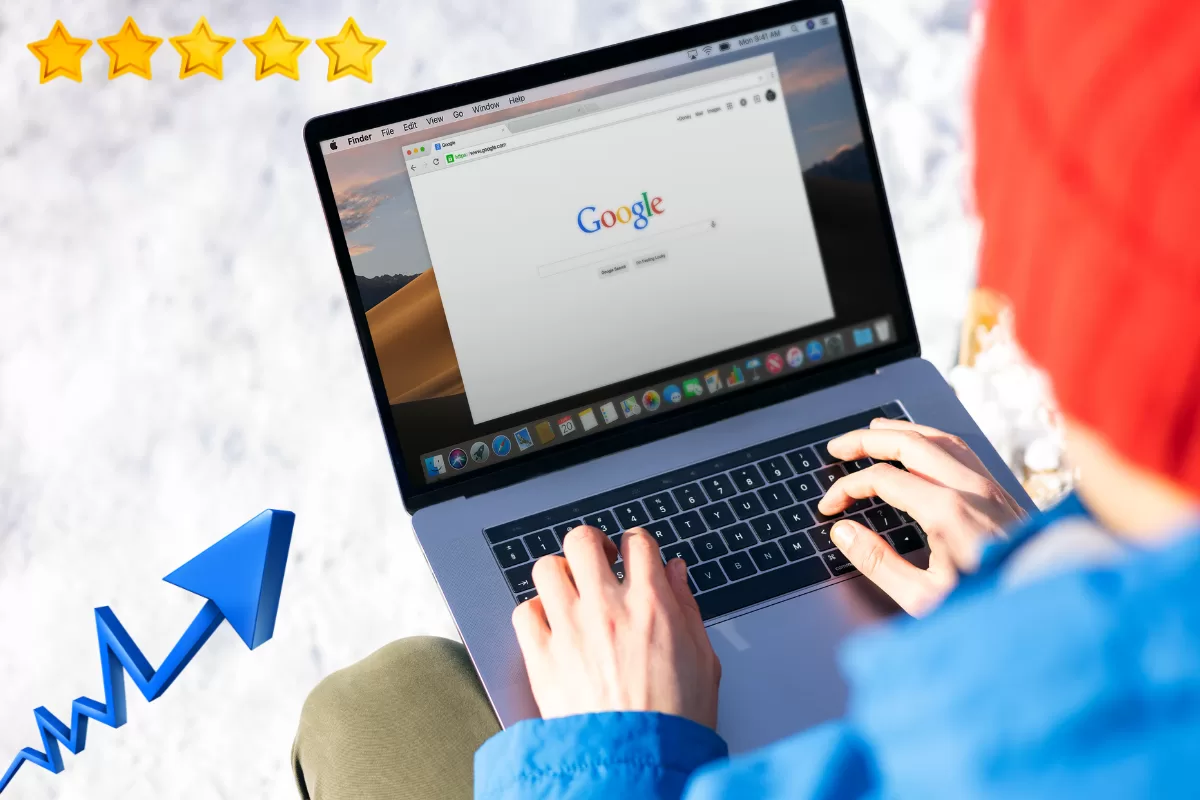
SEO in 2026: Best Practices for Ranking Higher on Google
Search engine optimization in 2026 is smarter, more user-focused, and more competitive than ever. Google’s AI-driven algorithms now evaluate context, credibility, engagement, and user experience far beyond simple keyword matching.
If you want to rank higher — or position your brand as offering the best SEO services — you need a strategy built for how search works today, not how it worked five years ago.
Let’s break down the most important SEO best practices for 2026.
1. Search Intent Is Everything
In 2026, Google prioritizes why someone is searching, not just what they typed.
There are four main types of search intent:
- Informational (learning something)
- Navigational (finding a specific site)
- Commercial (comparing options)
- Transactional (ready to buy)
If someone searches “best SEO services,” Google assumes commercial or transactional intent. That means:
- Clear service pages
- Transparent pricing or packages
- Case studies
- Testimonials
- Strong calls to action
Your content must match the intent precisely to rank.
2. High-Quality, Experience-Based Content Wins
Google’s ranking systems reward:
- Demonstrated expertise
- Real-world examples
- Original insights
- Updated information
Thin, AI-generated filler content no longer performs well. Instead:
1.Share real client results
2.Include data and performance metrics
3.Provide actionable steps
4.Update content regularly
3. Topical Authority Beats Single Keywords
Ranking in 2026 requires building an entire content ecosystem around your niche.
Instead of targeting only “best SEO services,” build related content such as:
- SEO strategy for small businesses
- Technical SEO checklist 2026
- Local SEO optimization guide
- Ecommerce SEO ranking factors
- How Google AI search works
This cluster approach signals subject matter authority and increases visibility across multiple related queries.
4. User Experience Is a Core Ranking Factor
Google now measures real user behavior more heavily than ever.
Key ranking signals include:
- Page speed and responsiveness
- Mobile usability
- Low bounce rate
- High dwell time
- Clean site structure
If users land on your page and leave immediately, rankings drop.
To compete for competitive terms like best SEO services, your website must:
Load in under 2 seconds
Be mobile-first
Have intuitive navigation
Offer clear next steps
SEO is no longer just about traffic — it’s about engagement.
5. Semantic SEO & Natural Language Optimization
Google’s AI understands context, synonyms, and topic relationships.
Instead of repeating a keyword 20 times, use:
- Related phrases
- Industry terminology
- Conversational language
- FAQ sections
For example, pages targeting “best SEO services” should naturally include terms like:
- Search engine optimization experts
- Organic traffic growth
- Google ranking improvement
- Technical site audits
- SEO consulting solutions
This strengthens topical relevance without over-optimization.
6. Authority & Backlinks Still Matter
Backlinks remain a major ranking factor in 2026 — but quality is critical.
Strong backlinks come from:
- Reputable industry blogs
- Business publications
- High-authority directories
- Strategic partnerships
Spammy link-building tactics now result in faster penalties.
If you want to rank for competitive terms like best SEO services, earning credible mentions is essential.
7. AI-Optimized Content (But Human-Enhanced)
AI tools help with:
- Research
- Topic clustering
- Content outlines
- Performance analysis
But Google rewards human expertise.
The winning formula:
AI for efficiency + human insight for authority.
8. Conversion Optimization Is the New SEO Multiplier
Traffic without conversions is wasted potential.
- Modern SEO integrates:
- Strong calls to action
- Lead magnets
- Clear value propositions
Trust signals (reviews, case studies, certifications)
When visitors searching for the best SEO services arrive on your site, they should immediately understand:
- What you offer
- Why you’re different
- What results you deliver
- How to get started
9. Continuous Updates & Content Refreshing
In 2026, stale content declines quickly.
Best practice:
- Update top-performing posts every 3–6 months
- Add new statistics
- Improve structure
- Expand sections
- Refresh metadata
Google favors maintained and evolving content.
Final Thoughts: Ranking Higher in 2026
SEO in 2026 is a blend of strategy, technology, authority, and user experience. The businesses that dominate search results focus on:
1.Search intent alignment
2.Topical authority
3.High-performance websites
4.Credibility and backlinks
5.Real engagement metrics
You can book a free 30-minute digital marketing consultation with Market Forever to discuss your current strategies and identify areas for improvement.
Categories
- Affiliate Marketing (13)
- Business Partners (3)
- Content Writing (13)
- Email Marketing (15)
- Event Marketing (1)
- Graphics Design (13)
- Influencer Marketing (12)
- Marketing Partners (3)
- Performance Marketing (1)
- PPC (12)
- SEO (8)
- Social Media Marketing (15)
- Technology Partners (7)
- Tips (11)
- Video Marketing (1)
- Web Development (7)
Recent Posts